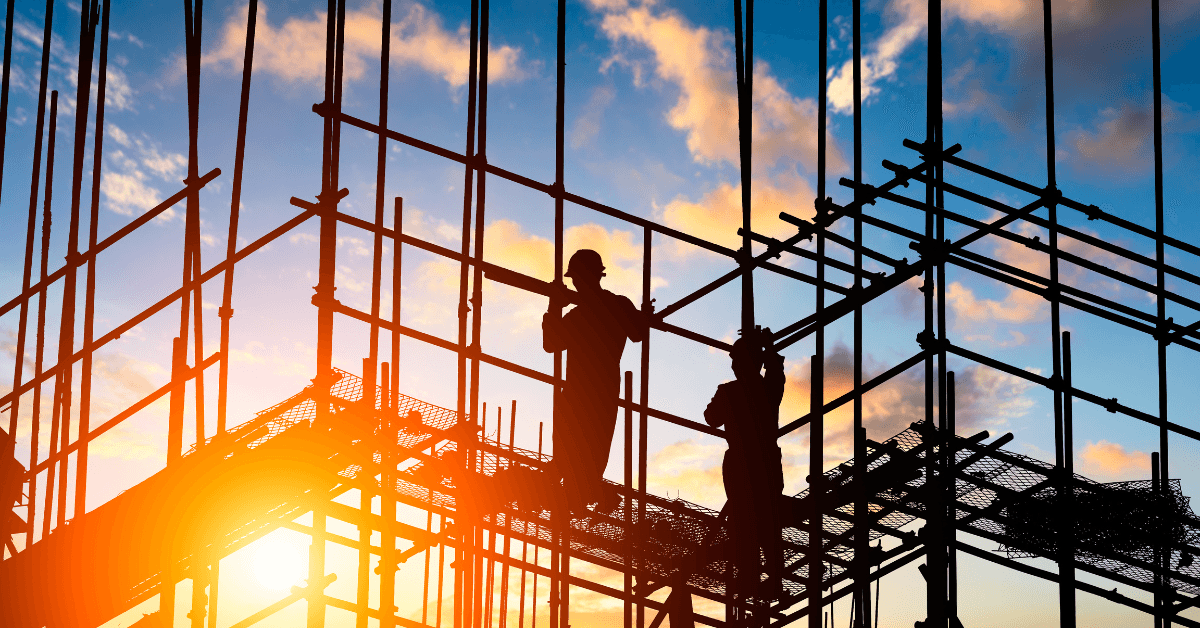

Height-risk remains one of the most challenging areas of construction safety. Even with long-standing WHS obligations, incidents involving elevated work continue to cause life-changing injuries. With new changes rolling out in July 2026, employers, principal contractors, and labor hire providers need to prepare for updated expectations around height-risk work, Safe Work Method Statements (SWMS), and on-site control measures.
South Australia is introducing key amendments to height-risk requirements that will directly influence how businesses plan, supervise, and document elevated work. These reforms are part of a broader push toward reducing preventable injuries.
The new 2-metre threshold
From 1 July 2026, the trigger for mandatory fall-prevention controls and SWMS documentation will shift from 3 metres to 2 metres.
This change brings South Australia in line with the eastern states and means:
- Tasks at 2 metres or higher is considered height-risk work
- A SWMS is required for that task if it meets the definition of high-risk construction work
- Employers must reassess existing procedures that still reference the old 3-metre benchmark
- More routine residential construction activities will now fall under height-risk requirements.
Best practices for managing height-risk work
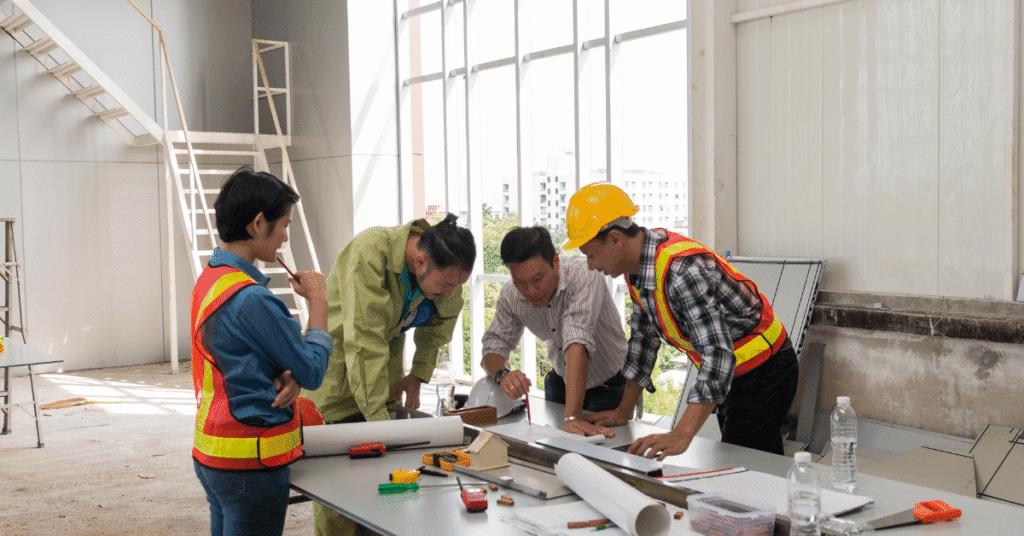
Across jurisdictions, a consistent message is emerging: workplaces must apply a layered, risk-based approach to prevent falls between levels.
Key expectations for persons conducting a business or undertaking (PCBUs) and employers include:
Priority on ground-based or solid-platform work
Where reasonably practicable, work should be performed from the ground or from a solid platform that eliminates fall exposure entirely.
Use a clear hierarchy of controls
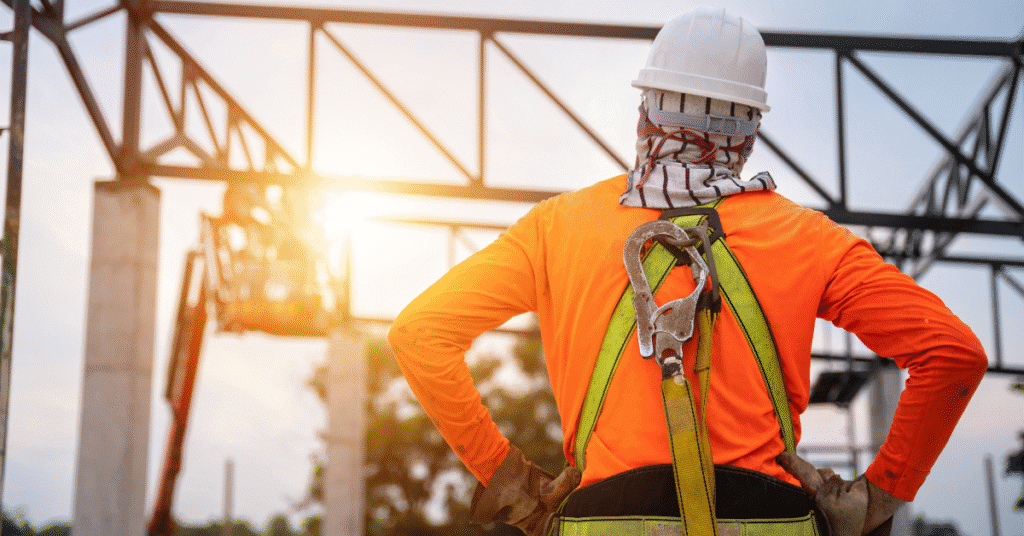
Where work at height cannot be eliminated, employers must apply controls such as:
- Guard rails or edge protection
- Work positioning systems
The chosen controls must match the task, environment, and competency of the
workers involved.
Provide safe access and egress
Employers and PCBUs must ensure that workers can access and leave work zones without exposure to fall hazards. Effective controls include secure access routes and clear pathways.
Educate, train, and supervise
Effective supervision remains the simplest and strongest defense against height-related incidents. Workers must receive task-specific instruction, and supervisors must actively monitor control measures.
Match controls to real site conditions
Static or paperwork-based systems are not enough. Controls must reflect ground conditions, weather, surfaces, and the shifting nature of construction sites.
Understanding SWMS Requirements Under the New Framework
Height-risk work at or above 2 meters intersects with the existing requirement for SWMS covering the 18-high-risk construction work activities under WHS Regulations.
Employers need to ensure SWMS are:
- Prepared before high-risk work starts, and by the people best positioned to understand the task
- Focused and practical, not overly long or generic
- Revised immediately if controls are not working or site conditions change
Why These Changes Matter
Height-related injuries are still a leading cause of harm in Australian construction. Lowering the threshold to 2 metres and strengthening SWMS expectations creates a clearer and more aligned standard.
For South Australian employers, the changes represent:
- Higher compliance obligations
- A need to review and elevate training standards
- An opportunity to embed consistent and reliable height-risk controls across the workforce.
Preparing for a safer 2026
The changes to height-risk regulations represent a major step forward for workplace safety. By reviewing SWMS, updating training, and ensuring proper supervision, businesses can reduce incidents, protect workers, and improve overall safety culture.
At Safety People, we understand that ensuring a safe workplace entails having the right people in the right roles. Our specialised recruitment services can help your business connect with skilled supervisors and workers who are experienced in high-risk construction work and compliant safety practices. Contact us today to discuss your recruitment needs and ensure your workforce is ready for the 2026-height requirements.